

SIM Binding Rule Divides India: OTT Apps vs Telcos
India’s new SIM Binding rule sparks a clash between BIF and COAI. Learn what SIM Binding means, why tech companies oppose it, and how it impacts users.
SIM Binding Rule Divides India: OTT Apps vs Telcos
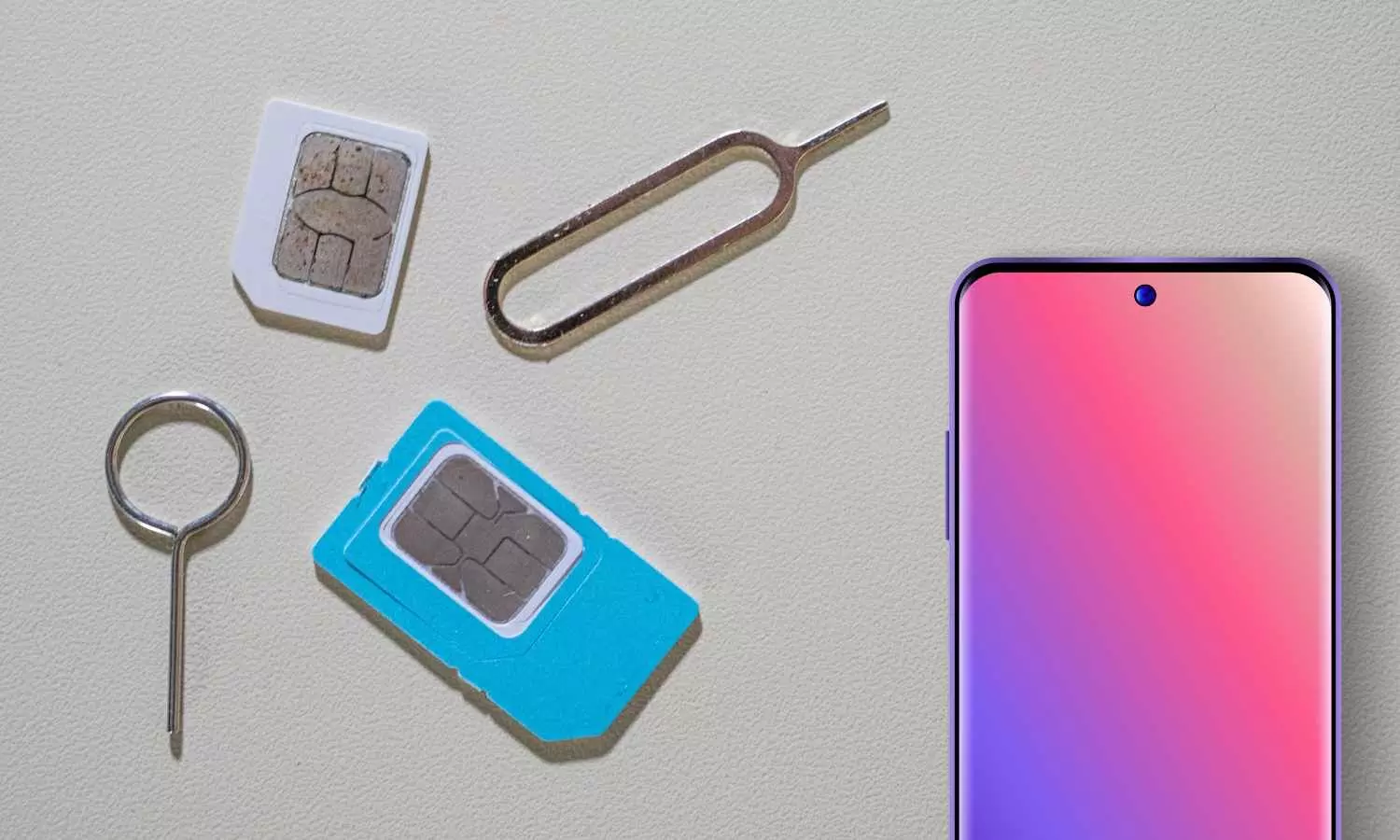
The Indian government implemented a SIM Binding guideline under which now the user must keep the same registered SIM physically inserted to access messaging apps. Running these apps on the device, such as WhatsApp, Telegram, Signal, ShareChat, Snapchat, and others without it, will become impracticable.
The move fostered a massive dispute among the two of the leading industry groups in the country-Broadband India Forum (BIF), which represents companies like WhatsApp, Google, and Meta; and the Cellular Operators Association of India (COAI), which speaks for telecom operators.
Why BIF Makes Protests Against SIM Binding Rule
BIF deeply disagrees with the new policy, saying it would unnaturally complicate matters for millions of users on digital communication. BIF contends the rule will lead to issues in:
- User experience
- Jurisdictional framework conflicts
- Technical feasibility
- Unsettled implementation timelines
BIF is also upset at the very short deadlines that are given to the platforms to comply. They claimed it was perhaps well beyond the framework of the Telecom Act. Imposing telecom-style regulations on OTT apps was something never envisaged by the Act.
Further, they state that DoT must put a halt to all of the existing timelines, hold consultations with all stakeholders, constitute a technical working group, and adopt the most suitable fit-for-risk approach along with the principles of proportionality and appropriateness that conform to the constitutional standard, which might become a point of departure of the direction provided by any future Telecom Regulations.
Why COAI supports SIM binding?
On the other hand, all the telecom operators (COAI) welcome the process in full. According to them, the following will be the strengths of SIM Binding:
✔ Increase the tie between a user, phone, and number
✔ Reduce financial fraud calls and commercial scams
✔ Minimize spam and any other source of malicious cyber activities.
The Cellular Operators Association of India (COAI) believes that individual authentication with the device is the right option to keep a much more secure digital ecosystem.
SIM Card Binding: In Layman's Terms, What Is It and How Will It Work? The guidelines sent by the DOT, Department of Telecommunication, mandate that:
- The user should keep the registered and active SIM card in the phone when logging in or accessing other service applications like Telegram, Signal, Snapchat, ShareChat, and Arattai.
- If the user logs into an app on a secondary device—for example, a laptop—he/she would be logged out automatically.
- The user, from then onward, will require to reidentify his/her account with the original SIM placed on the device before he/she can be reinstated.
- The objective of this regulation is to ensure that an identity pairing that was created during registration with service stay bound to the device in all eventualities.
And further down the line.
As the debate has gained weight on both sides, SIM Card Binding Directive has perhaps emerged as one of the most acrimonious digital policy battles of the year in India. The shape OTT communications services and cyber identity in the country will take in the future would depend on whether the government chooses to enforceaneously implement, postpone, or modify the directive.





